
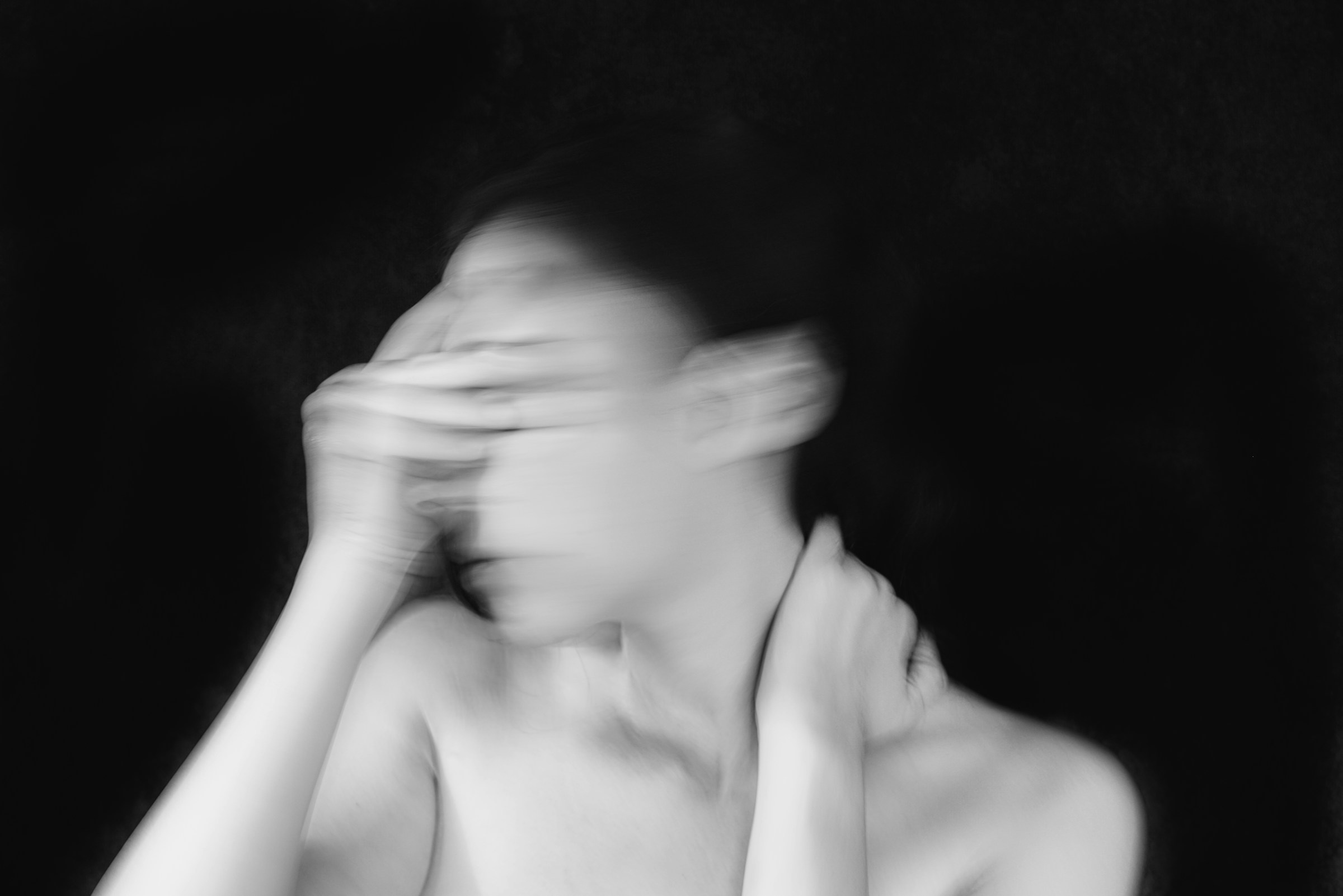
I debated whether to publish this. It’s brutally honest. It’s raw. And on the surface, it has nothing to do with eventing.
Except—it does.
The other day, I forgot how to do rising trot.
Not metaphorically. Not dramatically. I literally forgot. For a split second, my mind went completely blank. And the panic that followed—that flash of what is happening to me?—was instant.
Then the thoughts spiralled. Would I remember a dressage test? Would I get lost on a cross-country course?
Because riding isn’t just physical—it’s timing, coordination, instinct. It’s muscle memory built over years. And when that falters, even briefly, it shakes your confidence in ways that are hard to explain to anyone outside the sport.
And I started to wonder: how many of us have moments like that?
Because here’s the truth—we ride anyway.
We ride in pain.
We ride on days when getting out of bed feels impossible.
We muck out, groom, and show up for our horses regardless.
At the same time, we’re running households, raising children, caring for others, holding everything together. Even when all we really want to do is sit on the sofa in pyjamas and switch off from the world.
And yet, we’re expected to perform.
To hold a consistent contact when our hands don’t feel steady.
To keep rhythm and balance when our bodies feel anything but balanced.
To make clear decisions at speed, even when our minds feel foggy and slow to react.
What I’m going through isn’t unique. It might look different for each of us, but women everywhere experience it in some form.
Women’s health has come a long way—but not far enough.
It took 20 years for doctors to diagnose me with Adenomyosis—a debilitating condition I’d been living with since my teens. Twenty years of appointments, scans, hospital visits, intrusive testing and treatments, being told to endure and not shouting loudly enough that you need to fix me. Finally, with my third specialist (after umpteen doctors and every test going), I had an answer. A name. And with that came options—along with the decision to medically “induce” perimenopause.
It wasn’t a decision I took lightly, but it was a clear one. In my forties, and already managing a back injury, I wasn’t ready for a hysterectomy. I just wanted my life back. Adenomyosis had won enough battles. It wasn’t going to win the war.
I knew what was coming—or at least, I thought I did. But knowing and experiencing are very different things.
I’m in the middle of an interview and suddenly my body is on fire. My face flushes bright red and all I can think is: I must look a state.
I walk into a room and forget why I’m there.
I find my keys in the fridge.
And now, apparently, I forget how to ride.
Then comes the wave I wasn’t prepared for—the quiet, creeping depression. One minute I’m full of energy, the next I’m fighting back tears.
I’m not good enough.
I can’t write.
I don’t want to pick up the camera.
I don’t recognise myself anymore.
And then there’s the noise. The endless advice—this supplement, not that one. This cream, not that one. Collagen, hormones, routines, fixes. A minefield of promises. And it makes you wonder: what actually works? Or are we simply easy targets, because we’re desperate to feel like ourselves again?
I’m finding my way through it. I’ve settled into a routine that works—for now. HRT is helping with the physical symptoms. I know it’s not a permanent fix, but it’s something.
This isn’t a “woe is me.”
This is something else.
It’s recognition.
Because in equestrian sport, we pride ourselves on resilience. On pushing through. On showing up no matter what.
But maybe it’s time we also acknowledge what that actually looks like.
This is for the women who ride through it all.
Who train, compete, and care for their horses on their hardest days.
Who adapt, adjust, and keep going—even when their bodies and minds aren’t playing by the same rules.
Because that kind of resilience?
That’s real strength.
And if any part of this feels familiar—you’re not the only one riding through it.
IMAGE © annastampfli
